Dr Vino's wine blog
wine talk that goes down easy
Aging an under $10 wine – Castano, Hecula, monastrell, 2002
“Do Americans have a wine cellar?” runs an old industry saw. “Yes, it’s called the back seat of their car on the way home from the wine store.”
True enough. Virtually all wine bought in American gets uncorked (or uscrewed) within a very short time after purchase. And at no price point is that more true than under $10 wines. So for today’s Wine Blogging Wednesday assignment of finding a Spanish wine under $10, I thought I’d try the impossible: an under $10 wine with some age.
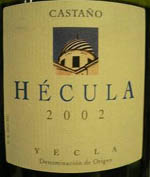 I dug around the Dr. Vino cave, and came across a bottle of the Castano, Hecula, 2002. Since I bought it for $7 about three years ago, I had low expectations that the wine would still even be good. But it was a Tuesday night, so what the hey.
Wow, was it good, perhaps the most rewarding under $10 wine I’ve had in a long time. Alluring notes of grilled meat drippings, leather and tobacco permeated the aroma and the wine actually had an attack, a midpalate, and a lingering finish. While five years of age is just warming up for most more expensive and age-worthy wines, this under $10 wine may have been particularly long lived because of the grape variety, monastrell, aka mourvedre in the south of France. In a tasting last fall of this big red grape, I found that I preferred the wines with some age on them to blow off some of the gamey, animale character.
The sad news about this wine is that it was my last bottle. A quick price check showed only a few vendors with it available, and now they want $14, double what I paid for it three years ago. A sign of the times, for popular Spanish wines.
Check out wine-girl.net for the full WBW round-up of good value wines from Spain.
Related: “An open letter to Jorge Ordonez“
Jul
11
2007
10
Arretxea, Hegoxuri, Irouléguy: unpronounceable words you should know
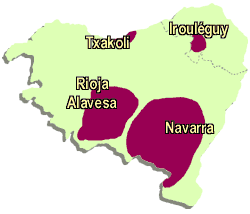
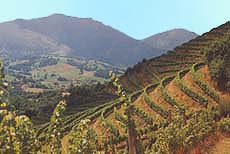 In the bit of the Basque Country that lies on the French side of the Pyrenees is the small appellation of Irouléguy. Don’t worry: I’d never heard of the steeply sloped vineyard area either.
I was in the excellent little shop, La Derniere Goutte in the 6th arrondissement of Paris last week. I told Juan Sanchez, the American owner who seems to know everyone who comes into the shop, that I was looking for an interesting dry white and he pointed me to the Arretxea Hegoxuri from Irouléguy. It’s a blend of 50% petit manseng, 40% gros manseg, 10% corbu–and yes those are all grapes. It’s partially barrel fermented.
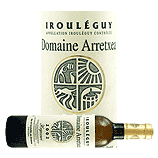 With wildly aromatic notes of tropical fruits–pineapple, melon–the dry wine has a wonderfully balanced acidity and mountain mineral verve on the palate. It’s no doubt makes it the best petit manseng you’ve ever had. And the vignerons, Therese et Michel Riouspeyrous, farm biodynamically.
But the story does not end there. Bottled as a humble vin de table yet sells for 20 euros, the wine was meant to be an appellation wine. According to the back label, the natural fermentation was slow in 2005 and when it came time to give a sample to the mandatory taste-test component of the residual sugar level was 0.2 grams above the appellation limit. So rather than mess with the wine, the Riouspeyrouses decided to bottle it as a vin de table. That explains why there’s no vintage or region on the wine. And why Juan Sanchez rolled his eyes about how the appellation system doesn’t always help natural wines.
 Someone must import the wine to the US since it is available at Smith & Vine in Brooklyn for $28 (find this wine). The price is a little high–if it were $15 wine it would be a screaming buy–but with the dollar tanking, it’s not likely to get any cheaper, sadly.
Congratulations to Steve who correctly guessed this difficult, mystery vineyard location–we’d expect nothing less from the founder of the Wine Century Club!
Jul
5
2007
Making and marking up Quinta do Ameal
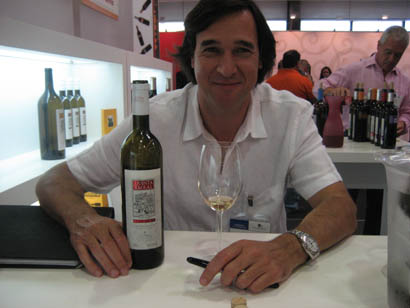
On the shuttle into town on Sunday I sat next to Pedro Araújo. We were chatting and then as I was wandering the hall I saw his stand. I went over to taste.
He has two wines that he makes organically in northern Portugal on the banks of the Lima River. The area is known for vinho verde, which is grown with ripping yields of 15 tons per acre he said. Araújo rolls in at not exactly miserly six tons but makes two wines that are worthwhile.
The first is the 2006 Loureiro fermented and aged in stainless steel. It’s clean, fresh with a pleasant minerality and verve. (find this wine)
The 2004 Escolha (meaning “selection”) sees a little oak yet retains the minerality and fresh lemony acidity under the oak. I preferred the first wine slightly more. (find this wine) He also had brought a 2001 Escolha to show the aging potential of the wine. Unlike a traditional white wine from the region, Iit was still fresh with only a hint of oxidation.
I’d love to say the first wine is a good value since Araújo told me that he sells it form the winery for 3.20 euros (about $4.25). But, sadly, the 2005 is only available in US stores for $15.
Importer: Eric Solomon.
Jun
19
2007
Lambrusco, lambrewski
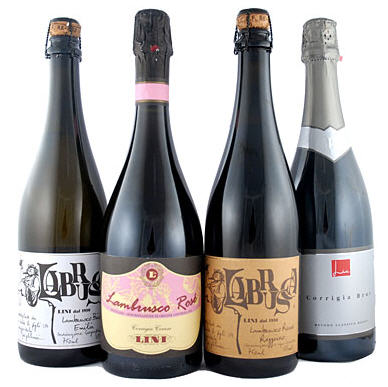
Some might think Jim Hutchinson and Jeremy Parzen wacky: they are importing lambrusco after all. If you remember lambrusco, it might be from the cloying Riunite whose marketing department declared “on ice…so nice.” (As recently posted in a comment, with video!) Ack.
So why lambrusco? Because it’s actually great stuff, fast on its way to becoming my Wine Of The Summer 2007. That’s right, purple fizzy stuff.
It’s great on a deck, with food, especially mortadella, a specialty also from the Emilia-Romagna region. And at 11 percent alcohol, it’s light and refreshing. One writer I was talking with about lambrusco said it’s kind of like the old Schaefer beer whose slogan was “the beer to have when you’re having more than one.”
Jim, Jeremy & Co (formally known as Domenico Valentino Selections) are importing lambruschi–or lambrewski if you prefer–from one producer, Lini. They are available at the wine shop Vino, I Trulli restaurant and the hipster wine bar and stealth restaurant Centovini in Manhattan. These boutique wines bear no resemblance to the mass-marketed lambruscos.
The white is fun. The dry red has great red fruit, vigorous bubbles, and some serious tannin–it is more fun. But the real winner in my view was the dry rose. It has a beautiful delicate notes of cherry and strawberry and good acidity.
So chill, pop, nosh, and enjoy the new wave of lambrusco. And like a beer, there’s no corkscrew needed!
Related:
New York wine shops, a map
New York wine bars, a map
Jun
14
2007
Vintage Dr. Vino: Finding birth year wines in Food & Wine magazine
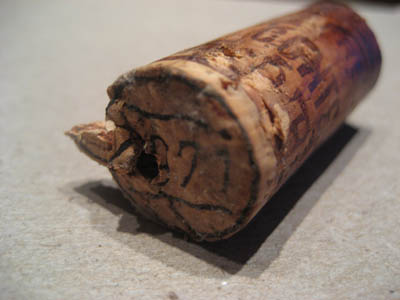
Have you ever thought about having a wine from your birth year? Oddly, I never had until site reader Michael in Toronto asked me. Thanks, Michael!
That sent me on a quest to find a wine from my birth year. I wrote up the experience for the July issue of Food & Wine magazine.
In case the story piqued your interest in finding a wine for your birth year, check out the fabulous infographic that is the Robert Parker vintage chart. It only goes back to 1970 though so for older vintages, you might consider checking out Michael Broadbent’s Vintage Wine.
And if you’re stopping by the blog for the first time because of the story, then consider subscribing to the site’s feed or monthly email updates on the right. And feel free to poke around and see some wine picks or explore any of the categories on the first sidebar!
If you haven’t seen the story in print (p. 156), or you’re curious to see which wine I drank and how much it cost, check out the magazine, which is hitting bookstores and mailboxes now. Or I suppose you could cheap out and see it online.
“Finding Wine of a Certain Age,” Food & Wine
Jun
13
2007
Bargain bubbly
Back in the 20th century, when we were organizing our wedding, I was making conversation with the New England innkeeper where we had our wedding reception. I was living in Barcelona at the time and we were chatting about Catalan food and wine. Somehow we stumbled onto the topic of cava, the sparkling wine from the region that is dramatically less expensive than Champagne. That really got the innkeeper going. “Cava! I wouldn’t wash the family dog with that!” he flamboyantly declared.
Whatever you might do with bargain bubbly, they have their time and place. I’ve gotten several reader mails recently from people getting married looking for advice on wines for their wedding, particularly when they have the option to source the wines themselves.
The real budget killer can be the Champagne toast. Every guest feels obliged to take a glass, whether they are going to drink it or not. Some just take a sip. Either way, there’s generally a lot bubbly left in the flutes on the tables.
So here’s a short list of bubbly that doesn’t break the bank. Perceptive readers will notice that none of these hail from the region of Champagne. That’s because entry-level Champers starts at $30 these days. I set a maximum of $15 so that we didn’t send the newlyweds (or the parents of the bride) into penury–we’ll let the florist do that.
Bargain bubbly can be a mixed bag with too much residual sugar and too little depth of flavor. If you end up being able to source your own bubbly for the wedding, be sure to taste a bottle before buying in bulk to ensure it is your style. The bubblies here are in my order of preference:
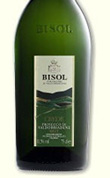 Bisol, “Crede” prosecco (Italy) $14 (find this wine)
My buddy Mark Oldman is a huge fan of prosecco. He shows a flagrant disregard for international law and calls it “Italian champagne” at his parties. Why is it a good party wine? Because it is easy on the wallet and on the palate. Sometimes I find prosecco too sweet but this Bisol is crisp and dry. More importantly, it as a good bead–the wine geek term for them there bubbles that make it so festive. Heck, I wouldn’t just save this one for mass toasts–I’d drink it with plenty of food too ranging from hard cheese to an Asian noodle soup. (Importer: Vias)
 Juve y Camps rose cava $14 (find this wine)
I’d be willing to bet that if my innkeeper got poured this cava blind, he do something other than wash the dog with it — he’d no doubt drink it with great enthusiasm. Made from 100 percent pinot noir, this dry pink bubbly has nice red berry notes surprisingly pleasant acidity. Drink pink.
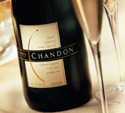 Chandon California brut. $11 (find this wine)
My expectations were low for this one with a generic “California” designation. But in the glass, the wine surprised me pleasant fruit, a good bead, and enough sugar to make it rich but not cloying. I poured it at a tasting event recently and it was well-received. Don’t be surprised if you see Aunt Marnie going around and taking sips out of the half-empty glasses if you pour this one at the wedding.
(image 1)
Jun
6
2007
Nine wines under $10
The hardest thing—but perhaps more sought-after than a Lafite—is a list of good, interesting and affordable wines, for parties or for dinner Sunday to Thursday or even all week long. Here’s my latest list, arranged not by preference, but by style, from lightest to fullest in white and red.
Why is it only a list of nine wines under $10 instead of the usual ten under ten? Because I’m grumpy. It’s increasingly difficult to find good wines with character under ten dollars. Blame part of it on the weak dollar (though my list here is heavy on eurozone wines), blame it on producer greed–they’re all just excuses! Good wines, easy on the palate and on the wallet are what consumers want. Sure, there are lots of great wines for $12-$15 and many more from $15 – 20, but these are out of reach for a lot of people to have with dinner on a given Tuesday. Producers take note of this market opening, ready to be filled! Meanwhile, we can fill up our wine storage areas with this value vino.
Whites
 Muscadet Sur Lie, Hautes Noelles. $9.99 (find this wine)
This muscadet is great for oysters. Don’t you get tired of people saying that? I do. I have oysters once every five years and this wine is too good to wait that long between bottles. The “sur lie” aging gives this muscadet a richer mouthfeel but it still has the characteristic crsip acidity, faint melon note, and gentle briney quality. Fire it up with grilled seafood on the deck. (Importer: H2Vino, Michael Skurnik)
Vina Sila, Naia, Verdejo, Rueda (Spain), 2005. $10 (find this wine)
This is a classic summer wine from a grape you may never have heard of: verdejo. Fresh citrus notes, though not as much acidity as a kiwi sauvignon blanc, notes of honeysuckle and white flowers make this wine a great one as a warm-up (with light, salty appetizers) or as a cool down (poolside).
Creta Olympias, Vilana, Crete 2006, $10. (find this wine)
Vilana is usually a ho-hum wine that is churned out from the most recent vintage. However, in a recent tasting of this off-the beaten-path variety, I found a few that were recommendable with this being the most affordable. With delicate white flower aromas, the wine had a certain lush mouthfeel, with pleasant minerally verve. This wine + Greek salad + outside under umbrella on a sunny day = life is good.
Rosé
Domaine Houchart, Cotes de Provence rose, 2006, $9. (find this wine)
This dark, vibrant, and dry rose has notes of strawberry and watermelon. The lively acidity makes it a great food pairing. While I think that rosé should be less than $10 a bottle to be lots of fun I might be tempted to pay $12 for the Domaine Sorin. But this blend of Grenache, Syrah, Cinsault, Cabernet Sauvignon, Mourvèdre gets the job done on the deck in the summer.
Reds
 Bodegas las Hormigas, Colonia las Liebres, bonarda, Mendoza (Argentina). 2006. $4.49 (find this wine)
This ridiculously priced bargain is one to buy with both hands. This surprisingly light and lively, unfiltered old-vine bonarda from importer Marco de Grazia’s project in Mendoza. It’s now our house burrito wine.
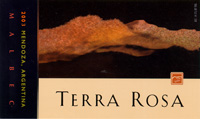 Terra Rosa, Malbec Mendoza (Argentina), 2004. $10 (find this wine)
This is a fascinating wine of the global era: Patrick Campbell of Sonoma buys the fruit from local growers in Mendoza, makes the wine on location, then ships it back to California for bottling and an admirably reduced carbon footprint. The cost-savings results in a wine of character, with good fruit and a pleasant and unusual level of acidity, at a very reasonable price. It calls out for grilled meat.
Castaño, Hécula, monastrell, Yecla (Spain), 2004 $9. (find this wine)
I poured this wine recently at a tasting and people thought it was a $30 wine. It has the wonderful mourvedre game quality on the nose, and serious but not aggressive tannins on the finish. I actually came across a bottle of the 2001 of this wine in the Dr. Vino Cellar recently (originally purchased for $7—inflation!) and it was among the most rewarding $7 bottles of wine I have ever had. I’ll throw some more of this one in the cellar and check back in a few years. Try it now with game or sausage.
Castillo de Jumilla, monastrell, Yecla (Spain). 2006. $9. (find this wine)
Given what I just wrote about how I feel about young monastrell, I wasn’t planning on being wowed by this freshly squeezed 06. But I was. It’s a gobs-of-fruit, beef-drippings kind of wine but with a pleasing lushness. According to the wine’s importer, there are only a few hundred cases of this excellent BBQ companion wine available.
Trentadue, Old Patch Red, Sonoma, 2004, $8. (find this wine)
California Zinfandel has sadly seen prices escalate: consider this one greed relief. Fans of big reds will find this a gulpable bargain with hints of dark fruits and faint spice. The biggest plus here is that—unlike some of the other wines on this list—the wine has broader availability.
May
31
2007
Test driving a one-click case
Reader Jeff J wrote in yesterday asking for a case of wine, probably red, about $150 – $200 to give to a friend in New York who recently got married.
Great question! And thoughtful gesture! Some retailers put together pre-fab cases but I have generally approached them with skepticism. Why? I probably don’t want one or two or three of the wines in the set case. And I suspect there’s something in there that the store might be trying to move for reasons other than necessarily serving the consumer.
 But I put my skepticism aside and decided to put my money where my mouth is. I recommended Jeff check out Chambers Street Wines, which has a selection of pre-fab cases at $100 and $200 both red and mixed. I also recommended the mixed “Memorial Day” case at Le Du’s Wines in the West Village. Maybe it was the thought of grilling this weekend but for some reason I found myself clicking “buy now.”
Tuesday I clicked and Wednesday my doorbell rang. I have to confess a certain amount of excitement pulling out bottles I’ve never tried before. Even if I don’t know the producers’ names, the back labels sport the names of some very solid importers–Neal Rosenthal, Jon David Headrick, Classical Wines among others. And they were selected by the knowledgeable staff, headed by Jean-Luc Le Du, formerly the sommelier at the restaurant Daniel.
But the best part? $145.99! Free delivery in New York State. I’ll keep you posted on how the one-click convenience works out in the glass. The list follows below for your perusal. But if you’ll excuse me, I’ve got to go put a bottle in the fridge since it is heading to 84 degrees today… Read more…
May
24
2007
Comments Off on Test driving a one-click case

Wine Maps
Monthly Archives
Blogroll
Categories
- American wine
- announcements
- Argentine wine
- auctions
- Australian wine
- Beer
- best wines
- Bling
- books
- Bordeaux
- bottled water
- Box wine
- Burgundy
- business of wine
- Celebrity wine
- Champagne
- Chicago
- China
- cocktails
- cognac
- corks
- corkscrews
- dining
- eco wine
- events
- foie gras
- food and wine
- French wine
- German wine
- giveaway
- grapes
- green wine
- guest post
- highlights
- how to
- Italian wine
- leaders and liters
- Mature wine
- meetups
- New York City
- On notice!
- photo captions
- podcasts
- Polls
- Port
- Portuguese wine
- power list
- reader mail
- rose
- sake
- Sommeliers
- South Africa
- Spanish wine
- spirits
- tasting sized pours
- The real wine world
- TV and movies
- Uncategorized
- videos
- vinexpo
- Weather
- wine and health
- wine and sports
- wine and tech
- Wine Blogging Wednesday
- wine blogs
- wine classes
- wine collecting
- wine gifts
- wine in india
- wine labels
- wine picks
- wine politics
- wine quizzes
- wine random
- wine science
- wine scores
- wine shops
- wine technology
- wine travel
- Wine under $10
- wine writing
- winemaking
- winespeak
 Blog posts via email
@drvino on Instagram
@drvino on Twitter
Advertise

quotes
One of the “fresh voices taking wine journalism in new and important directions.” -World of Fine Wine
“His reporting over the past six months has had seismic consequences, which is a hell of an accomplishment for a blog.” -Forbes.com
"News of such activities, reported last month on a wine blog called Dr. Vino, have captivated wine enthusiasts and triggered a fierce online debate…" The Wall Street Journal
"...well-written, well-researched, calm and, dare we use the word, sober." -Dorothy Gaiter & John Brecher, WSJ

Saveur, best drinks blog, finalist 2012.
One of the "seven best wine blogs." Food & Wine,
One of the three best wine blogs, Fast Company
Books for wine geeks

Wine books on Amazon: